
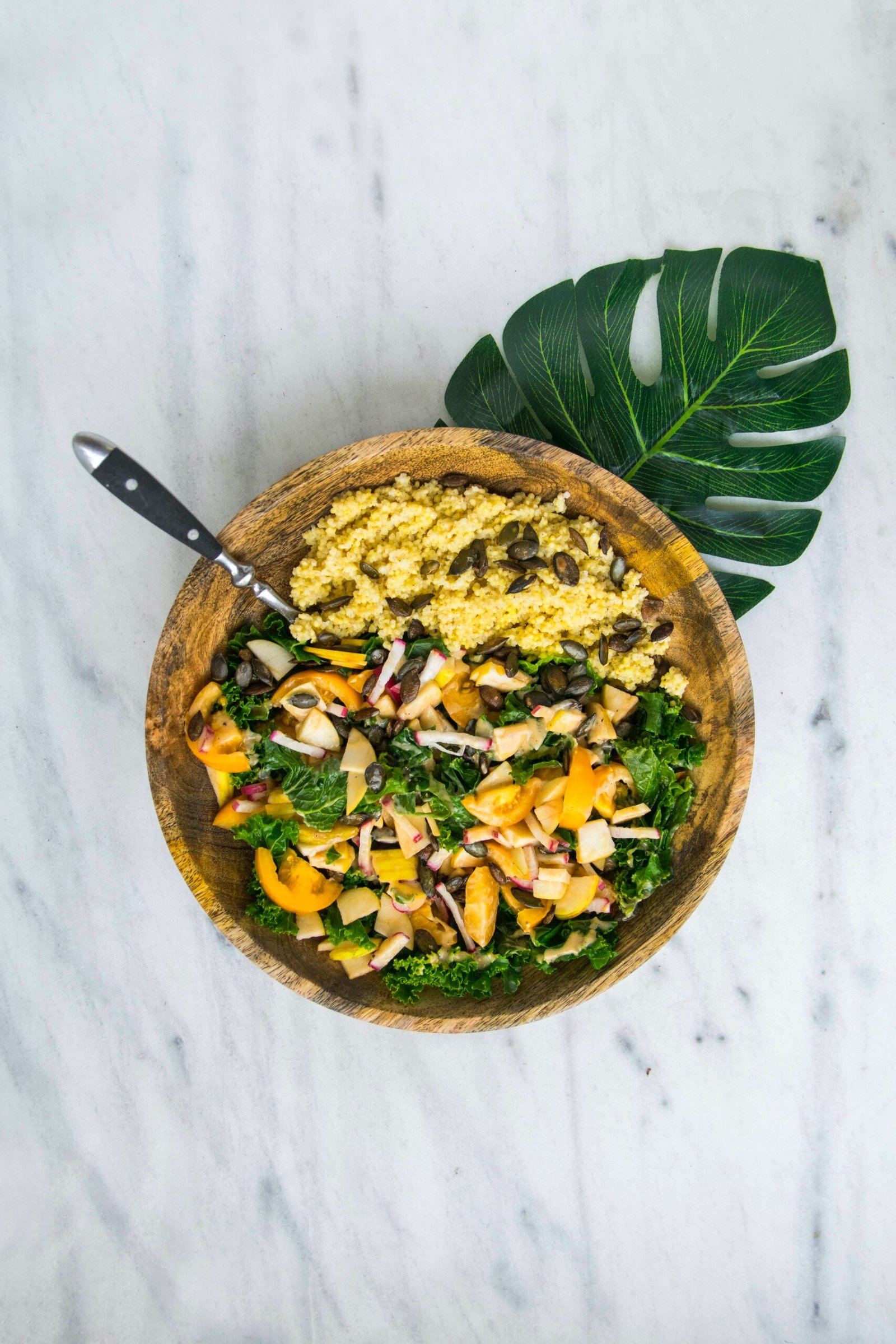
When it comes to healthy eating, millets are often overlooked. These small grains pack a big punch when it comes to nutrition and have been a staple in many cultures for centuries. Not only are millets versatile and delicious, but they also offer a wide range of medical benefits that can improve our overall well-being. In this article, we will explore the various health benefits of millets and discuss how we can incorporate them into our daily lives.
1. Rich in Nutrients
Millets are a powerhouse of essential nutrients. They are a good source of protein, fiber, vitamins, and minerals. Millets contain important nutrients such as magnesium, phosphorus, and iron, which are essential for maintaining healthy bones, teeth, and red blood cells. Including millets in our diet can help us meet our daily nutritional requirements and promote overall health.
2. Gluten-Free Alternative
For individuals with gluten sensitivity or celiac disease, millets serve as an excellent gluten-free alternative. Millets are naturally gluten-free and can be used in place of wheat, barley, or rye in various recipes. This makes millets a great option for individuals who need to follow a gluten-free diet but still want to enjoy a wide variety of delicious and nutritious foods.
3. Promotes Digestive Health
The high fiber content in millets promotes healthy digestion. Millets are rich in insoluble fiber, which adds bulk to the stool and helps prevent constipation. Additionally, the fiber in millets acts as a prebiotic, nourishing the beneficial bacteria in our gut and promoting a healthy gut microbiome. A healthy digestive system is crucial for overall well-being and can help prevent various digestive disorders.
4. Supports Weight Management
Millets are a great addition to any weight management plan. They have a low glycemic index, which means they release glucose into the bloodstream slowly, keeping us fuller for longer. The high fiber content in millets also aids in weight management by promoting satiety and reducing overeating. Including millets in our meals can help us maintain a healthy weight and prevent weight-related issues.
5. Regulates Blood Sugar Levels
For individuals with diabetes or those at risk of developing diabetes, millets can be a valuable addition to their diet. Millets have a lower carbohydrate content compared to other grains, which helps regulate blood sugar levels. The complex carbohydrates in millets are digested slowly, preventing sudden spikes in blood sugar. This makes millets an excellent choice for individuals who need to manage their blood sugar levels.
6. Versatile and Easy to Use
Millets are incredibly versatile and can be used in a variety of dishes. They can be cooked as a side dish, added to soups and stews, or used as a base for salads. Millet flour can be used to make bread, pancakes, and other baked goods. With their mild and nutty flavor, millets can easily be incorporated into our favorite recipes, adding a healthy twist to our meals.
7. Sustainable and Environmentally Friendly
Not only are millets nutritious, but they are also environmentally friendly. Millets require less water and fewer resources to grow compared to other grains, making them a sustainable choice. By incorporating millets into our diet, we can contribute to a more sustainable food system and reduce our ecological footprint.
In conclusion, millets are an underrated superfood that offers a plethora of medical benefits. From their nutrient-rich composition to their gluten-free nature and their positive impact on digestive health and blood sugar regulation, millets provide a variety of reasons to incorporate them into our daily lives. With their versatility and ease of use, millets can be enjoyed in a multitude of dishes, making healthy eating both delicious and accessible. So why not give millets a try and experience the countless health benefits they have to offer?